Do Ragdolls Really Need Baths?
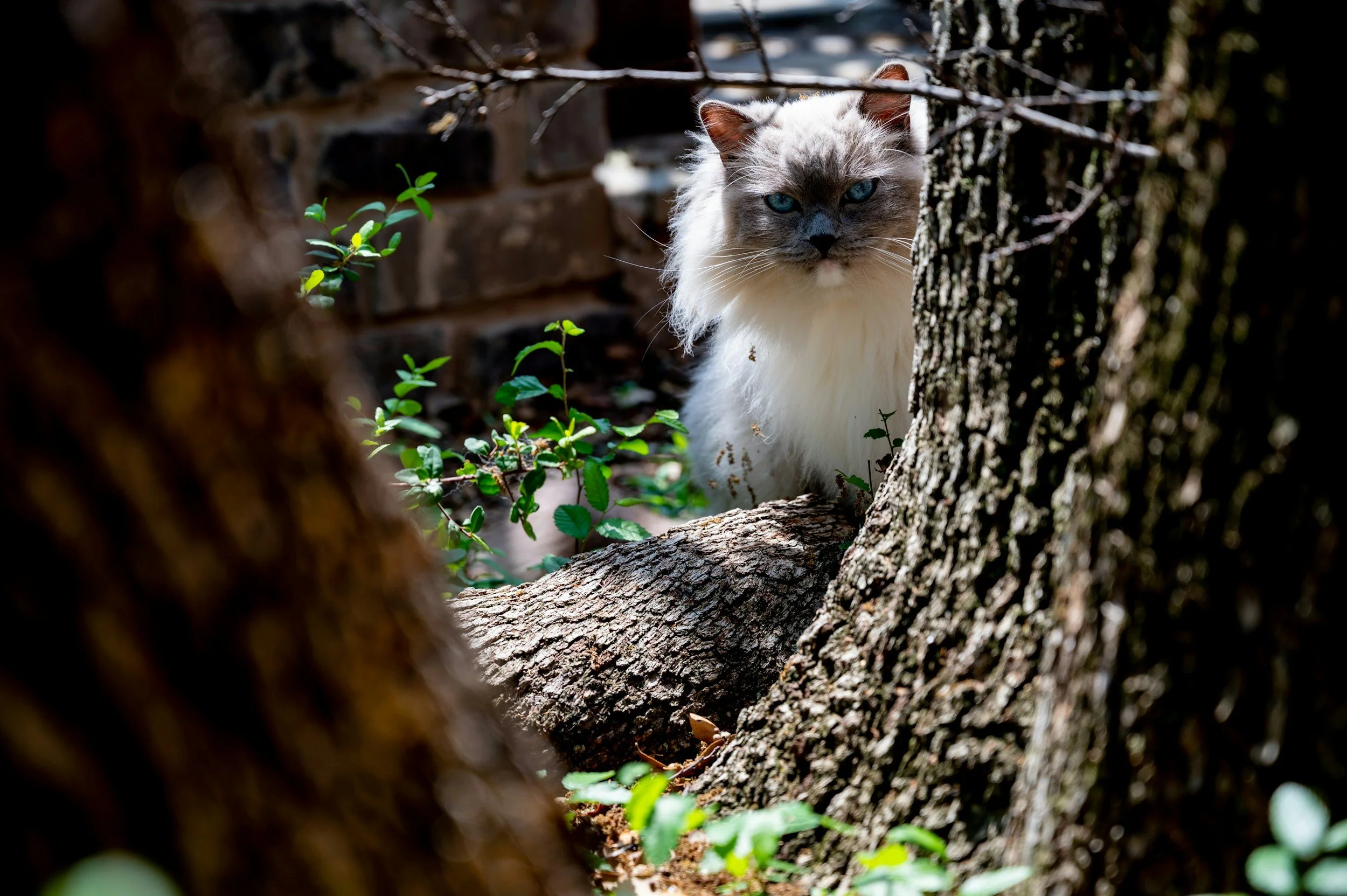
Trusting Nature's Design
One of the questions we hear surprisingly often is:
“How often should I bathe my Ragdoll?”
The answer may surprise you.
At HolistiCats, we believe healthy cats were designed to care for themselves remarkably well. Cats are meticulous self-groomers by nature, maintaining their coats through an elegant process that has evolved over thousands of years. Their grooming routine is not simply about staying clean—it serves an important biological purpose.
For most healthy cats, routine bathing is unnecessary and may even disrupt the natural balance of the skin and coat. While bathing certainly has its place in certain situations, we generally prefer to respect the cat’s natural grooming instincts and allow them to do what they have evolved to do best.
“I already bathe myself.”
Cats spend a remarkable portion of their waking hours grooming. Their uniquely designed tongues act like tiny brushes, removing loose fur, untangling the coat, distributing natural oils, stimulating circulation, and helping keep both the skin and coat healthy.
Grooming also helps maintain their natural scent, an important part of how cats experience and navigate their world. In many ways, they are equipped with their own highly sophisticated self-care system.
From that perspective, routine bathing can seem a bit unusual.
A healthy cat isn’t naturally seeking soap, shampoo, perfumes, or a human-imposed bathing schedule. Nature already provided them with an effective method of maintaining their coat.
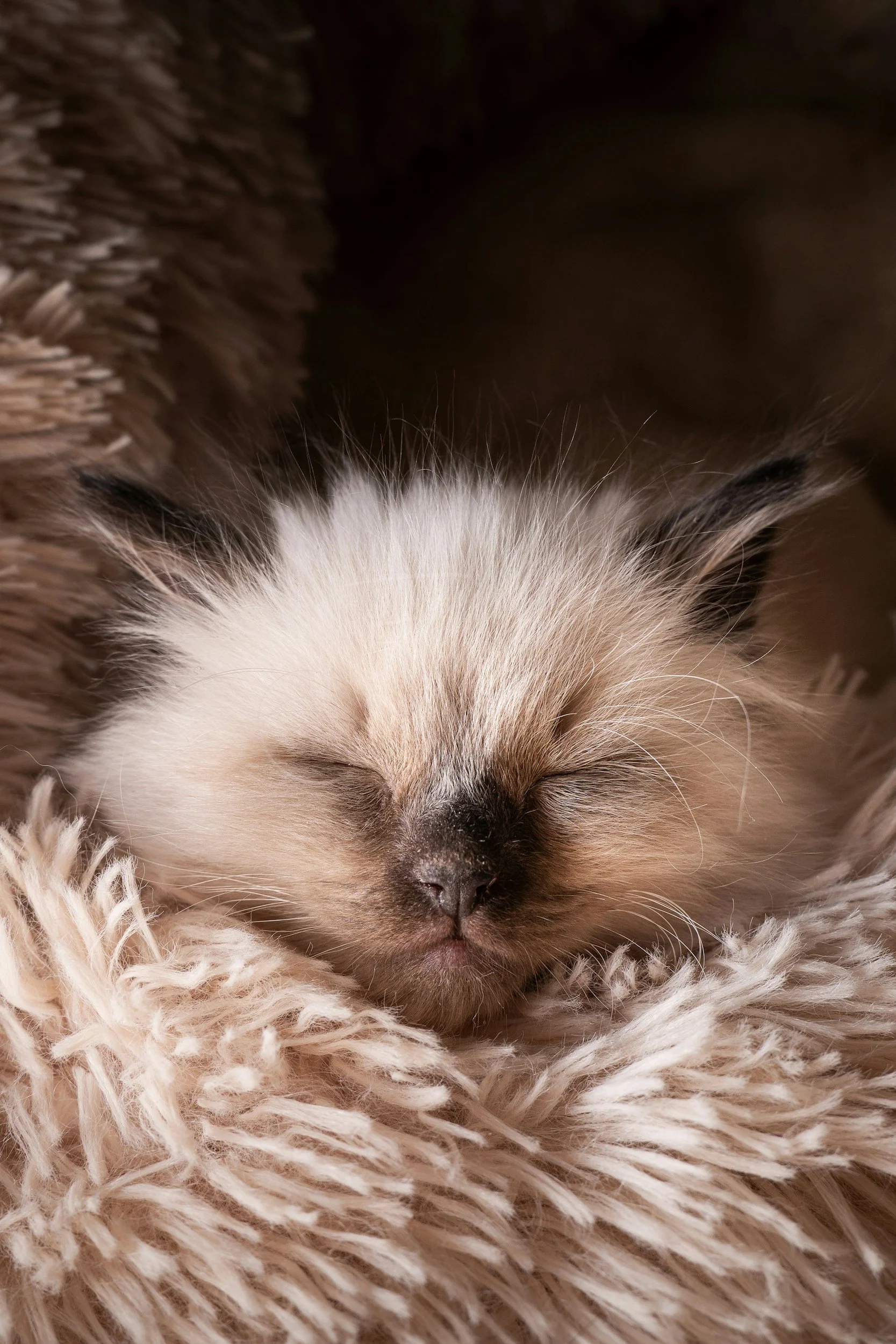
A Holistic Perspective
At HolistiCats, we often view the coat as part of a living ecosystem.
The skin produces protective oils for a reason.
The coat carries natural scent markers for a reason.
The diverse community of beneficial microorganisms living on the skin—the skin microbiome—exists for a reason.
When we bathe cats frequently, particularly with detergents, heavily fragranced shampoos, or harsh cleansers, we may unintentionally strip away those natural oils and temporarily disturb the balance that the skin works continuously to maintain.
Our philosophy is not that every bath is harmful—rather, we believe it is worth asking whether intervention is truly necessary before replacing a system that nature has already perfected.
Why Most Cats Don't Love Water
Many people assume cats dislike water simply because they are being stubborn.
There may be practical reasons instead.
A soaked coat becomes heavy, reducing its insulating ability and making a cat feel less agile and more vulnerable. For a predator that evolved to rely on speed, stealth, and mobility, avoiding unnecessary immersion simply makes sense.
Of course, every cat is an individual. Some cats genuinely enjoy playing in water, and a few even seek it out. But for many, avoiding a bath is perfectly natural behavior rather than something that needs to be corrected.
When Bathing Is Appropriate
Choosing not to bathe routinely does not mean baths never have value.
There are situations where bathing can be genuinely beneficial:
• A cat has gotten into something sticky, greasy, or potentially toxic.
• Severe diarrhea or significant soiling.
• Medical conditions requiring medicated shampoos or topical treatment under veterinary guidance.
• Elderly, disabled, or overweight cats that can no longer groom themselves effectively.
• Rescue situations where the coat is heavily soiled or contaminated.
In these cases, bathing is performed for the cat’s health and comfort—not simply because it is part of a schedule.
Less Can Often Be More
Our goal is not to avoid bathing at all costs. It is simply to recognize that healthy cats are exceptionally good at maintaining themselves.
Rather than asking, “When is my cat due for a bath?” we prefer to ask:
“Is this bath truly for my cat’s benefit—or is it primarily for my own preference?”
For a healthy cat with a clean environment, a nutritious species-appropriate diet, and normal grooming habits, the answer is often that nature is already doing an excellent job.
Sometimes, the most holistic thing we can do is trust the wisdom built into the animal itself.